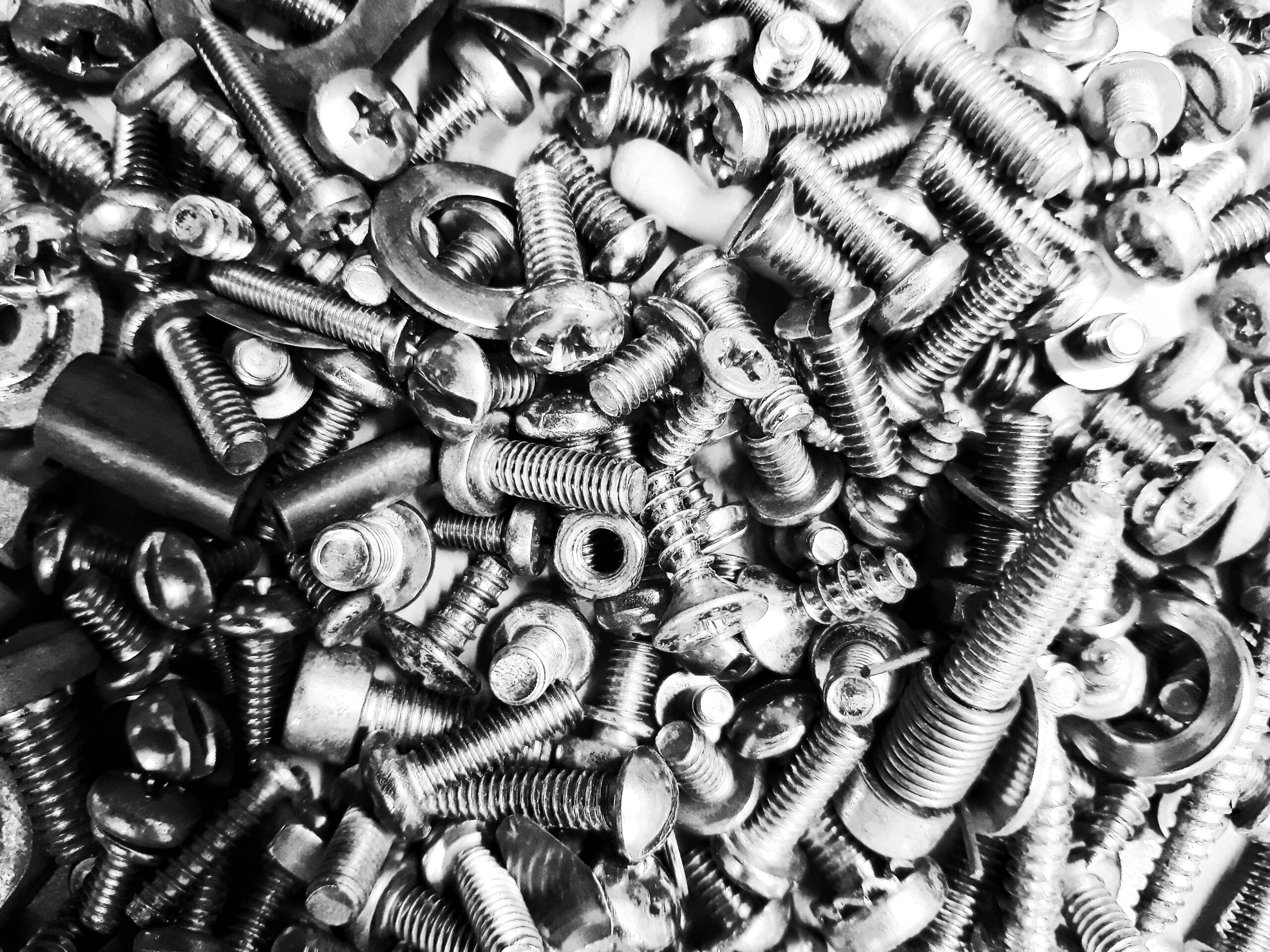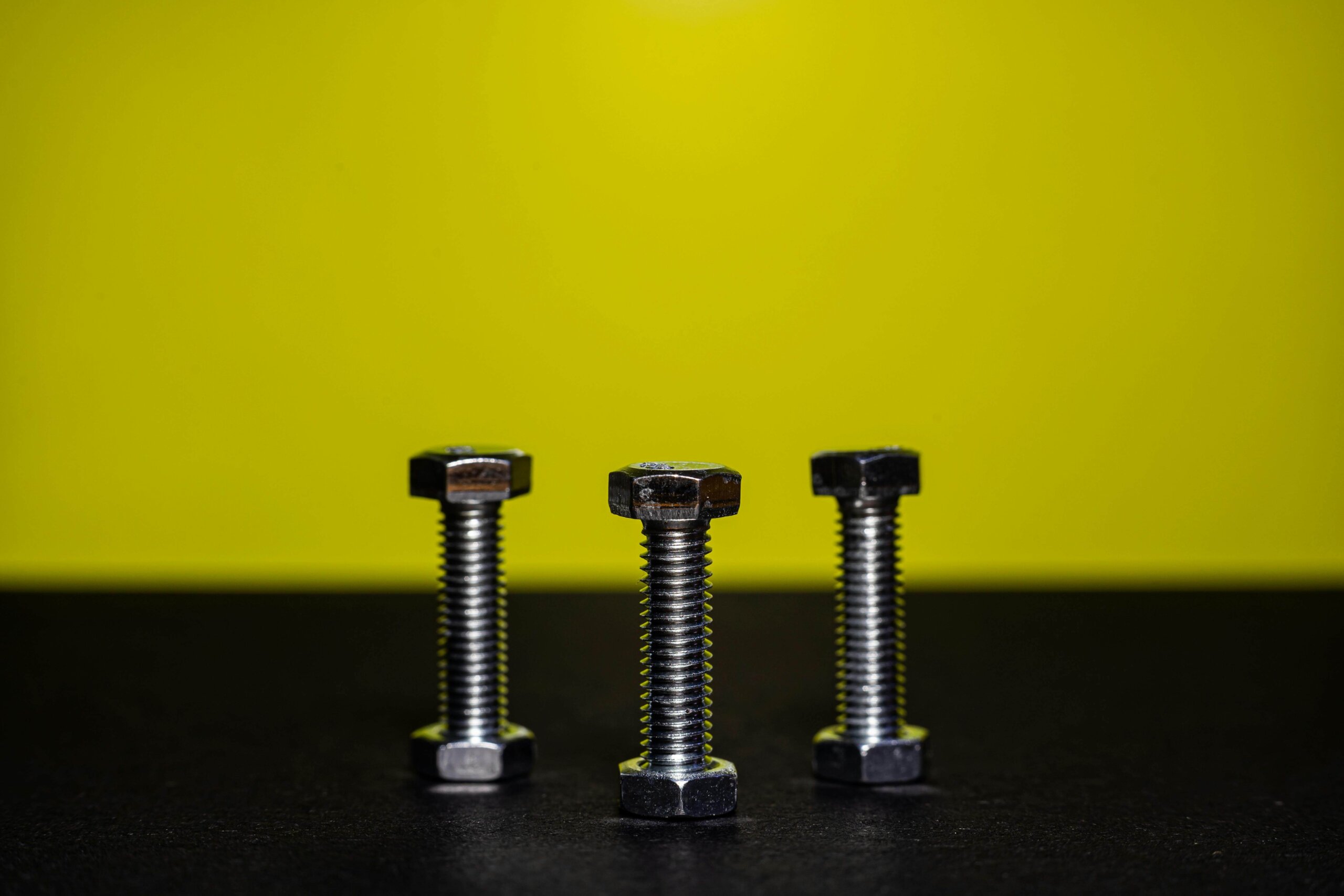
Fasteners are not something most people think about. Even many engineers give them little attention beyond checking that a bolt or nut meets the required specification.
Yet fasteners are among the few components that appear in every single machine, structure, and system! From industrial plants and pipelines to heavy equipment and infrastructure projects, fasteners are present everywhere.
That is why we argue that every technical or commercial decision-maker involved in industrial projects should think more about fasteners. A recent analysis of Canyon Engineering’s sales data revealed that the biggest reason customers switched to us was that low-quality fastener purchases from unreliable vendors were approved during the planning stages, resulting in regulatory problems down the line.
Fasteners are the literal points of connection. They hold together steel, concrete, rotating machinery, pressure systems, and load-bearing structures. They are present at the most critical stress points, often out of sight, doing their job quietly for years.
Their size may be small, but their role is fundamental, so underestimating them can turn out to be a costly mistake to make.
The quality of fasteners influences a project from the earliest stages. Long before commissioning or operation begins, fastener selection affects installation integrity, inspection outcomes, and long-term reliability. Poor-quality fasteners introduce risk at the point where materials meet, and that risk can thus remain embedded in the asset for its entire service life.
The Role Fasteners Play in Industrial Performance
Fasteners operate at critical stress points. They are exposed to load, vibration, temperature variation, moisture, chemicals, and mechanical movement. Their performance affects structural stability, alignment, and the ability of systems to maintain integrity over time.
In oil and gas, construction, power generation, and infrastructure, fasteners directly support safety and compliance. A compromised fastener can weaken an entire assembly.
Since factories, workshops, machinery, and structures often undergo mandatory company-level, institutional, and government checks, poor-quality fasteners can cause the structure to fail in these regulatory and safety tests, resulting in fines, reputational damage, costly corrective actions, and even jail time.
Site teams regularly encounter fasteners that fail corrosion tests, do not meet coating requirements, or lack proper certification. When this happens during installation or commissioning, work slows down or stops altogether. Replacement materials must be sourced, and sometimes additional inspections are required. The issue often spreads beyond the fastener itself and affects schedules, coordination, and confidence in the supply chain.
All of this thanks to a small component that was assumed to be normal and not very important.
Cost Decisions Made Too Early
Fasteners do not feature prominently in project presentations or design discussions, yet they carry responsibility at every joint, interface, and load-bearing point.
Fasteners are frequently treated as interchangeable commodities. Procurement decisions are often driven by unit price, availability, or speed of supply. While these factors matter, they should never outweigh quality, traceability, and suitability for the operating environment.
The cost difference between a certified, well-manufactured fastener and a lower-grade alternative is usually marginal at the time of purchase. The cost difference after installation can be substantial. Maintenance interventions, premature replacement, or remedial work introduce expenses that were never accounted for at the outset.
More importantly, these issues consume time and attention from teams that should be focused on delivery and operations. The true cost of poor fastener selection makes itself evident in the form of disruption, rework, and long-term risk exposure.
Treating fasteners with appropriate seriousness is a matter of professional judgment. It reflects an understanding that reliability is built into a project through thousands of small decisions, not a few large ones.
Ignoring this reality places unnecessary strain on projects and operations. Acknowledging it leads to better outcomes.
Why Standards and Certification Matter
Fasteners used in critical applications must meet recognized standards and be supported by proper documentation. Major operators and regulatory bodies enforce these requirements because connection points are known sources of failure when quality is inconsistent.
Organizations such as Saudi Aramco apply strict criteria to fasteners used within their facilities, and compliance with such rules is not optional. Materials must meet defined specifications, coatings must perform under environmental conditions, and traceability must be maintained.
Using fasteners that align with these expectations reduces risk during inspection, operation, and maintenance. It also demonstrates professionalism and accountability across the supply chain.
Canyon’s Approach to Fasteners
At Canyon Engineering, fasteners are critical components, not secondary items. The company sources fasteners from reputable manufacturers and applies strict quality controls to ensure consistency, reliability, and compliance with recognized standards.
This approach supports long-term performance for our own engineering projects and those of our customers who source their fasteners from us.
Our High-quality fasteners maintain integrity under demanding conditions and reduce the likelihood of corrosion, loosening, or premature failure. Over time, this leads to fewer interventions, lower maintenance exposure, and greater confidence in installed assets.
Canyon’s focus on documentation, traceability, and alignment with leading industry standards also supports smoother inspections and approvals.
Why Canyon?
Canyon Engineering supplies high-quality fasteners sourced from trusted manufacturers and held to strict quality standards aligned with those followed by leading organizations such as Saudi Aramco.
If you require reliable fasteners for industrial, construction, infrastructure, or other commercial applications, we are always here for you. Contacting us is easy, just drop a message to us on LinkedIn or submit an inquiry by email at info@canyon.com.sa
Our team of experts will always assist you in selecting dependable, certified fasteners appropriate for your requirements.
Because when everything depends on what holds it together, quality should never be an afterthought.
Your Thoughts
Have you encountered fastener-related issues during inspections or commissioning? Let us know. We look forward to hearing from you!